What California Transplants Miss About the Carolinas (and What They Don’t)
The biggest surprise for California transplants isn’t the humidity, the accents, or the cost of living. It’s how differently life feels here.

Most people who relocate from California to the Carolinas think they’re making a financial decision. Lower home prices. Lower taxes. More space. Those things are real, and they matter.
But after working with many California-to-Carolinas relocations, I’ve noticed a pattern: The people who land well here weren’t just looking for affordability. They were looking — sometimes quietly — for a different rhythm of life.
And the Carolinas offer that in ways that are hard to quantify on a spreadsheet.
The Pace Is Different — On Purpose
In many parts of California, speed is baked into daily life. The pace is quick, competitive, efficiency-driven. Schedules are tight. Traffic is normal. Convenience is expected.
In North Carolina and South Carolina, even in growing metros, life generally moves at a more measured pace.
People talk a little longer. They linger after conversations. They might wave you through a four-way stop even when it’s their turn.
For some transplants, this feels disorienting at first. For others, it feels like exhaling after holding their breath for years.
Neither reaction is wrong. But it is something to understand before you relocate.
If your energy thrives on constant stimulation and density, you may need to be intentional about choosing a city like Charlotte, Raleigh, or Charleston. If you’re seeking more breathing room — physically and mentally — smaller towns and foothill communities can feel deeply grounding.
The key is alignment, not idealization.
Convenience Looks Different Here
One of the quieter adjustments for California transplants is what I call “convenience density.”
In many California cities, almost anything you want is available within minutes and often late into the night. Specialized services, niche foods, boutique fitness studios, highly specific cultural offerings — all at your fingertips.
The Carolinas absolutely have vibrant food scenes, arts communities, and excellent services. But they’re distributed differently. You may drive a bit farther. Some places close earlier. Not every niche exists in every town.
For some people, this feels like loss. For others, it feels like simplicity.
The question isn’t whether one is better. It’s whether your expectations match your environment.
Community Feels More Personal
One of the most meaningful differences many California transplants notice is how community functions here.
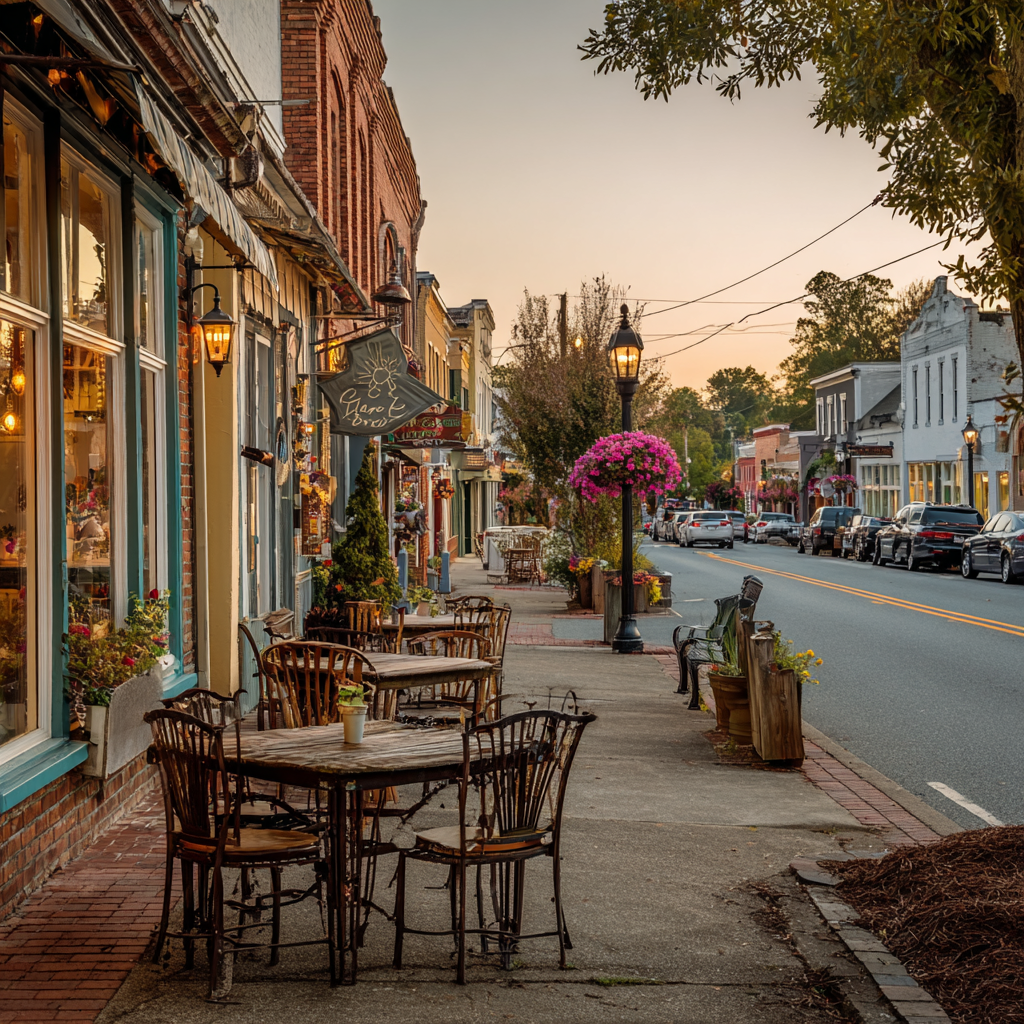
In the Carolinas, social networks often grow through repeated, real-world interactions: seeing the same people at the farmers market, getting to know local business owners, running into neighbors regularly, being recognized rather than just served.
Relationships may build more slowly, but they often root more deeply.
You’re less likely to feel anonymous. More likely to feel known.
For some, that’s a gift. For others, it takes getting used to — especially if you value privacy and independence above all else.
The Financial Relief Is Real — But It’s Not the Whole Story
Yes, many people move from California to North Carolina or South Carolina because of cost of living differences. Housing affordability, in particular, can be dramatically different depending on the markets you’re comparing.
But the most satisfied relocators rarely say, “We moved for cheaper real estate.”
“We wanted more margin in our lives.”
“We wanted time back.”
“We wanted space for family, hobbies, or quiet.”
“We didn’t want every decision tied to financial pressure.”
Lower costs can create room for different priorities. But the deeper motivation is often lifestyle recalibration.
When relocation is framed only as a financial upgrade, people sometimes feel an unexpected emotional gap after the move. When it’s framed as a lifestyle decision, the transition tends to feel more coherent.
Nature Is Closer Than You Think
One advantage many California transplants appreciate quickly is access to nature.
The Carolinas offer mountains and foothills, lakes and rivers, beaches within a few hours’ drive, and greenery throughout much of the year.
Outdoor access here is often less crowded and more integrated into daily life rather than treated as a destination.
You don’t always have to “plan a trip” to experience nature. It’s simply part of the landscape.

What People Don’t Miss
When California transplants reflect a year or two after relocating, a few themes come up often.
They don’t miss extreme cost pressure tied to housing, heavy daily traffic patterns, hyper-competitive social environments, or feeling like they’re constantly catching up.
Many describe feeling calmer. Less rushed. More present.
Not because life here is perfect — but because the baseline pressure is different.
The Moves That Work Best
The most successful relocations from California to the Carolinas share a common trait: They start with questions, not listings.
How do I want my days to feel?
What kind of community suits me?
Do I want energy or ease — or a balance?
What trade-offs am I genuinely comfortable making?
Real estate is simply the container. Lifestyle is the content.
When people get that order right, their relocation tends to feel intentional rather than reactive.
A Quiet Truth About Relocation
Relocation is rarely just about where you live. It’s about how you live.
The Carolinas are not California-lite. They’re not trying to be. And for the right person, that’s exactly the appeal.
If you come expecting a replica, you’ll notice every difference. If you come seeking alignment, you’ll start noticing fit.
There is no universally “better” place to live. Only places that fit certain lives better than others.
Thoughtful relocation beats impulsive relocation every time.
And the people who thrive here are usually the ones who took the time to understand what they were truly moving toward — not just what they were moving away from.